If you’ve spent any time in Gielinor, you’ve probably wondered whether jumping from free-to-play to RuneScape membership is actually worth the investment. The question isn’t new, but the answer has evolved significantly as the game grows. Whether you’re eyeing Old School RuneScape membership or considering the main game’s full premium experience, the membership landscape in 2026 offers compelling reasons to upgrade, or solid reasons to stay F2P if you’re not ready. This guide breaks down every RuneScape membership tier, pricing structure, and what each membership option actually delivers so you can make an well-informed choice that matches your playstyle and budget.
Table of Contents
ToggleKey Takeaways
- RuneScape membership unlocks access to 27 skills, 150+ quests, and exclusive PvM bosses that transform progression from a constrained grind into genuine endgame content unavailable to free-to-play players.
- Membership pricing ranges from $8.33 to $10.99 per month depending on commitment level, with annual Premier membership at $99.99 offering the best value plus exclusive cosmetics and bonus XP weeks for dedicated players.
- Members earn 2-5M per hour through Slayer tasks and 5-10M+ through bossing compared to F2P’s 300-500K cap, creating an income loop where membership literally pays for itself through in-game earnings.
- New players should start with 10-20 hours in free-to-play, then upgrade to a 3-month RuneScape membership package to explore endgame systems like Slayer and bossing without overwhelming commitment.
- Premier training locations like Motherlode Mine and Hallowed Sepulchre compress hundreds of hours into significantly fewer hours, delivering 2-3x faster progression than free-to-play alternatives.
- Strategic membership planning with documented milestones—like reaching 70 Slayer or 80+ Magic—keeps players engaged 2-3x longer than treating membership as a content buffet with no clear progression path.
What Is RuneScape Membership?
RuneScape membership is a premium subscription that unlocks access to members-only content, skills, quests, and activities in both RuneScape 3 (RS3) and Old School RuneScape (OSRS). Think of it as the difference between a trial version and the full game, free-to-play gets you the foundation, but membership is where depth, progression, and endgame content live.
The core idea is straightforward: Jagex charges a monthly or annual fee to access the expanded game world. Players have used OSRS membership price comparisons and RuneScape membership cost structures to evaluate their options for years, and in 2026, the pricing has settled into a predictable format with multiple tiers to suit different commitment levels.
Both RS3 and Old School RuneScape share the same membership account, so if you’re a player bouncing between versions, a single membership covers both. This flexibility is one of the biggest draws for veterans who want to experience nostalgia in OSRS without abandoning the modernized systems in RS3.
RuneScape Membership Tiers Explained
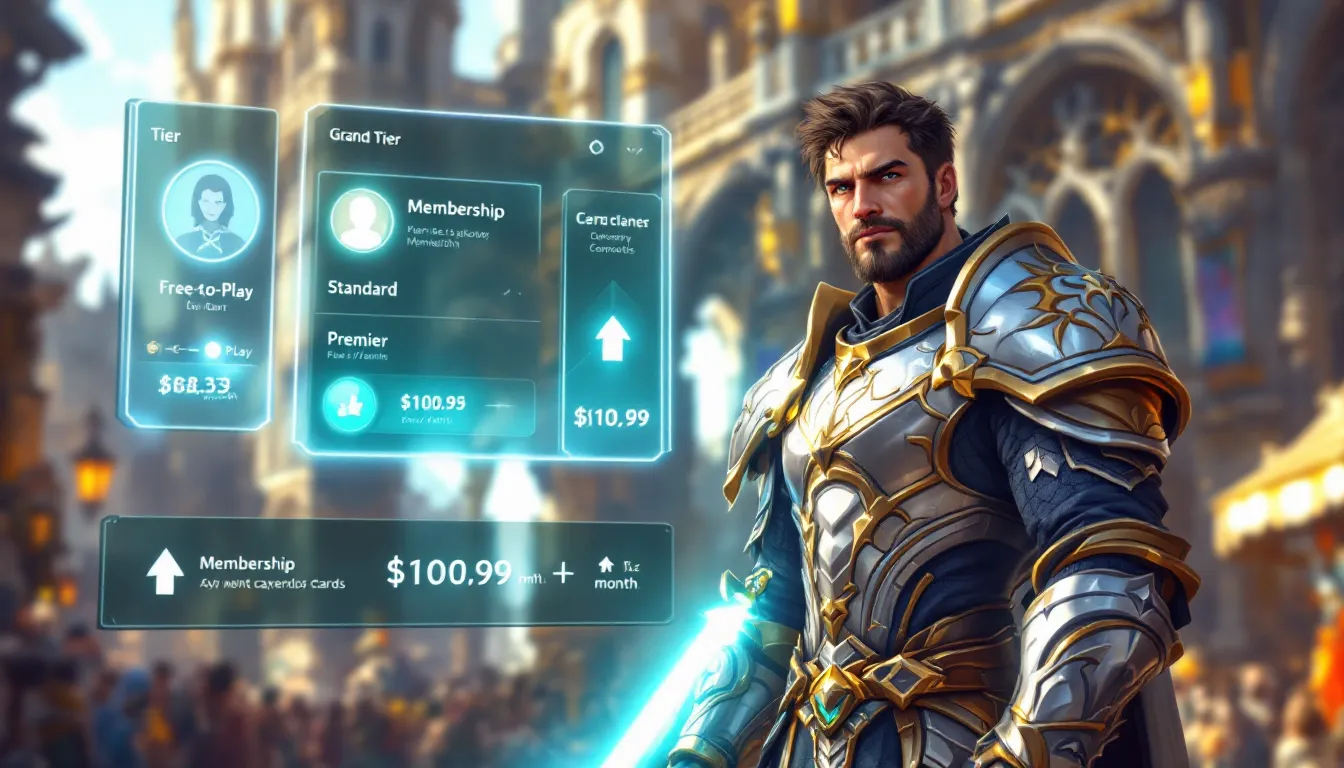
RuneScape offers three distinct tiers, each designed to match different playstyles and budgets. Understanding what separates them helps you choose the right fit without overspending on features you won’t use.
Free-to-Play (F2P)
Free-to-play isn’t technically a membership tier, but it’s the baseline. You get access to the tutorial, basic skills, regional dungeons, and beginner-friendly quests. F2P includes around 30% of available quests, 13 of 27 skills, and limited money-making methods like mining, fishing, and combat training.
The advantage is obvious: zero cost. The limitation is real too. F2P caps your character’s growth artificially. You’ll hit skill ceilings that require membership to break through, and bank space feels cramped compared to what members enjoy. F2P is perfect for testing the game before committing, but it’s not sustainable for serious progression.
RuneScape Membership
Standard RuneScape membership, what most players mean when they talk about membership, unlocks the full game. The RuneScape membership price for standard tier grants access to all skills, quests, dungeons, and training methods. You’re looking at expansions like Slayer, Herblore training through bossing, and grinds that actually feel rewarding because the endgame content is within reach.
How much is RuneScape membership? The RuneScape membership cost typically sits around $10.99 USD per month for flexible monthly billing, though bulk purchasing (which we’ll cover shortly) brings that down significantly. This tier is where most active players camp out.
Premier Membership
Premier membership is the premium option, offered as a limited-time seasonal package (usually at the start of each year). It bundles a full year of membership into one upfront purchase, typically at $99.99 USD, plus exclusive cosmetics, bonus XP weeks, and a bank booster.
The appeal is twofold: you save money compared to paying monthly for a full year, and you get cosmetic status. Premier membership also includes monthly Premier passes that grant cosmetic rewards, making it feel more exclusive. For dedicated players planning to stick with RuneScape for the long haul, the annual OSRS subscription model through Premier is financially and practically smarter than month-to-month.
Buy OSRS membership through the same tier structure, Old School RuneScape membership works identically to RS3 membership since they share the same account system.
Key Benefits of RuneScape Membership
Why does membership matter beyond access? The practical advantages compound over gameplay hours. Let’s break down the tangible benefits that make how much is OSRS membership or how much is RuneScape membership worth considering.
Expanded Skills and Training Methods
Membership opens up eleven additional skills beyond what F2P offers. Skills like Slayer, Prayer, and Herblore become playable, and these aren’t cosmetic upgrades, they’re core to progression. Slayer especially is a gateway to bossing content and massive income streams.
Training methods also diversify dramatically. Instead of grinding combat in one zone, you’ll have access to optimal training spots like Soul Wars, Nightmare Zone, or wilderness PvP encounters. Prayer training goes from unavailable to multiple methods ranging from passive altar training to active gameplay. This variety keeps the grind fresh and lets you tailor progression to your preferences.
In concrete terms, a member’s skill progression accelerates roughly 2-3x faster than a F2P player doing the same activity, because membership methods are intentionally optimized for higher XP rates. That difference stacks over hundreds of hours.
Access to Exclusive Content and Quests
Members unlock approximately 150+ quests, compared to F2P’s 30. Quest lines like Recipe for Disaster, While Guthix Sleeps, and entire quest chains become available. These quests often gate access to iconic items like the Quest Cape, Barrows gear, and best-in-slot weaponry.
Minigames exclusive to membership reshape how you grind. Pest Control offers consistent, scalable combat training and rewards. Barbarian Assault delivers valuable drops and a unique experience. Game guides on Twinfinite often break down these minigames in detail for players wanting to optimize their routes.
PvM (Player vs. Monster) bosses are exclusively members-only. The Grand Exchange itself, the central hub for item trading, requires membership. This means F2P players are stuck with limited trading options and no access to the economy’s backbone.
Enhanced Money-Making Opportunities
Membership multiplies your earning potential. Slayer tasks alone generate 2-5M per hour once you’re geared. Bossing can push 5-10M+ hourly depending on the encounter. Flipping items on the Grand Exchange becomes viable for members with larger capital and trade capacity.
F2P money-making caps out around 300-500K per hour (fishing, mining, or low-tier combat grinds). The gap is enormous. This income directly translates to gear upgrades, which unlock higher-level PvM, which pays better. The progression loop compounds.
Skills like Herblore and Crafting become profit centers for members, transforming raw materials into valuable finished goods. A player can literally pay for membership through in-game earnings once established, turning RuneScape membership cost into a self-sustaining investment.
Members also unlock Slayer training which generates both XP and significant drops from high-level monsters, a unique value proposition that F2P simply can’t replicate.
Membership Pricing and Subscription Options
Understanding the RuneScape membership price structure is critical for making a cost-effective decision. Jagex offers flexibility, but not all options cost the same per month.
Monthly Subscription Plans
The monthly option is the most flexible but least economical. At around $10.99 USD per month, you’re paying approximately $131.88 annually if you commit for a full year month-to-month. The advantage is zero lock-in, cancel anytime without penalty.
OSRS membership price follows the same structure, so an OSRS subscription costs $10.99/month if you’re exclusively playing Old School. Since membership is shared, though, you only pay once for both games.
Monthly billing makes sense if you’re uncertain about long-term commitment or want to test membership briefly. For anything beyond three months, the per-month cost stacks unfavorably against bulk options.
Bulk Purchasing and Discounts
Buying membership in longer blocks dramatically reduces the per-month cost. Three-month packages (around $29.97) drop the per-month rate to roughly $10 USD. Six-month options (approximately $59.94) hit about $9.99 per month.
Annual Premier membership mentioned earlier is the gold standard economically. At roughly $99.99 for twelve months, you’re paying $8.33 per month plus cosmetic perks and seasonal rewards. This is the best value if you’re confident in your RuneScape commitment.
Some players also take advantage of in-game bonds, a tradeable item purchased with real money ($6.99 for ten bonds, typically) that grants 14 days of membership when redeemed. Bonds let you “buy” membership with in-game currency earned through gameplay, a solid option once you have capital flowing.
OSRS membership cost analysis often comes down to comparing these three payment structures. Most experienced players land on either 3-month bulk buys or annual Premier depending on their financial situation and gameplay projection. How much is OSRS membership really costs depends on which plan you choose, making bulk options the smartest long-term play.
Is RuneScape Membership Right for You?
Membership isn’t universally necessary, but it’s almost universally worthwhile once you pass a certain investment threshold. Let’s segment the decision by playstyle.
Best For Beginners
New players face a tough call. Jumping into membership immediately lets you experience the full game without artificial caps, but it also overwhelms with content abundance. The smarter approach: spend 10-20 hours in F2P first. Complete the tutorial, get a feel for combat and training, and unlock the first few quests.
Once you’re comfortable (usually after 15-30 hours), buy a 3-month membership package. This gives you time to explore endgame systems, Slayer, bossing, mid-tier quests, without feeling rushed. If you hate it, you’ve only committed three months and about $30. If you love it, you can upgrade to annual billing.
Beginners benefit most from membership because the skill ceiling lift is so dramatic. Going from 3 to 27 trainable skills fundamentally changes the game’s appeal. But don’t buy annual membership blind, test the commitment first.
Best For Competitive Players
Competitive players (speedrunners, ironman enthusiasts, PvP-focused players) need membership from day one. Ironman mode, RuneScape’s self-sufficient hardcore option, is membership-exclusive. Speedrunning communities value membership because quest locks and optimal training methods directly impact leaderboard times.
PvP enthusiasts absolutely require membership. The Wilderness, multi-combat zones, and high-level PvP gear are all members-only. Competitive clans and guilds virtually always require membership for their rosters.
For this segment, Premier membership is the obvious choice. The guaranteed annual access ensures you won’t lapse mid-season, and the cosmetics signal status within competitive communities. The financial commitment is small relative to the value extracted.
Best For Casual Gamers
Casual players who log in sporadically face a different calculus. If you’re playing an hour or two per week, the membership renewal might feel wasteful during gaps in activity. Consider 3-month packages timed to seasons you know you’ll play actively.
Alternatively, casual players can leverage in-game bonds effectively. Earn 3-5 bonds per play session through relatively chill activities like fishing or mining, then trade them for membership periodically. This approach makes membership “free” if you’re patient, and it rewards consistent (even light) play.
Members-only quests still appeal to casual players who enjoy narrative-driven content. If you’re in RuneScape primarily for story progression rather than grinding, even sporadic membership unlocks massive content value. The sweet spot is probably 3-month membership packages spaced 2-3 times per year, matching your active seasons.
Maximizing Your Membership Value
Buying membership is only half the equation. Using it effectively is where you extract real value from the RuneScape membership cost.
Utilizing Membership-Exclusive Skilling Areas
Members get access to premier training locations that F2P alternatives can’t touch. Motherlode Mine in Hardmode offers triple the ore yield of F2P mining zones. Hallowed Sepulchre is the best Agility training in the game, period. Ammonite Crabs provide AFK combat XP that no F2P area matches.
The efficiency multiplier here is significant. You’re not just paying for access: you’re paying for XP rates that compress hundreds of hours into significantly fewer hours. A membership player can get 99 Agility in roughly 120 hours of active play. F2P Agility takes 250+ hours for fewer XP rates and no shortcuts.
Prioritize discovering these zones early in your membership. Invest time learning optimal rotations and gear swaps. PC Gamer’s gaming guides often break down optimal gear setups and training efficiency for popular grinds.
Planning Your Content Roadmap
Members-only content isn’t infinite: it’s just massive. Plot a progression path based on your goals. If your goal is a Quest Cape, list every members-only quest and prioritize unlock chains. If you’re chasing wealth, map the fastest money-making paths and gear requirements.
Quests unlock diary tasks, which unlock better training areas. Slayer levels unlock boss tasks, which scale your bossing income. This chaining effect makes planning critical. A haphazard member just does random tasks: a strategic member builds momentum where each unlock feeds into the next.
Document your target milestones: 70 Slayer (unlocks profitable tasks), 75+ Combat stats (enables mid-tier bossing), 80+ Magic (unlocks boss strategies like Barrows). These aren’t arbitrary, they represent material improvements in gameplay depth and income.
Members who plan coherently report staying engaged 2-3x longer than those who treat membership as a content buffet. The structure matters. Game Rant’s comprehensive guides frequently detail progression paths for various playstyles if you want external reference frameworks.
Conclusion
RuneScape membership in 2026 represents genuine value, not a predatory nickel-and-dime scheme. The RuneScape membership price ranges from $8.33 to $10.99 per month depending on how you buy it, and the content you unlock compounds dramatically over that investment.
If you’re seriously considering membership, start small. Buy a 3-month package for around $30 and explore. Experience Slayer, unlock a few mid-tier quests, feel the progression pace difference. Once you’ve tested it and confirmed you’ll stick around, migrate to annual Premier membership for better economics.
F2P is a perfectly valid long-term option if you genuinely prefer the challenge or have zero budget for subscriptions. But don’t convince yourself F2P offers comparable content, it fundamentally doesn’t. Membership is the game as Jagex designed it: F2P is the trial version.
The real question isn’t whether membership is worth the cost. It’s whether RuneScape itself appeals to you enough to justify that cost. If it does, membership transforms the experience from constrained grind into genuine progression.

