
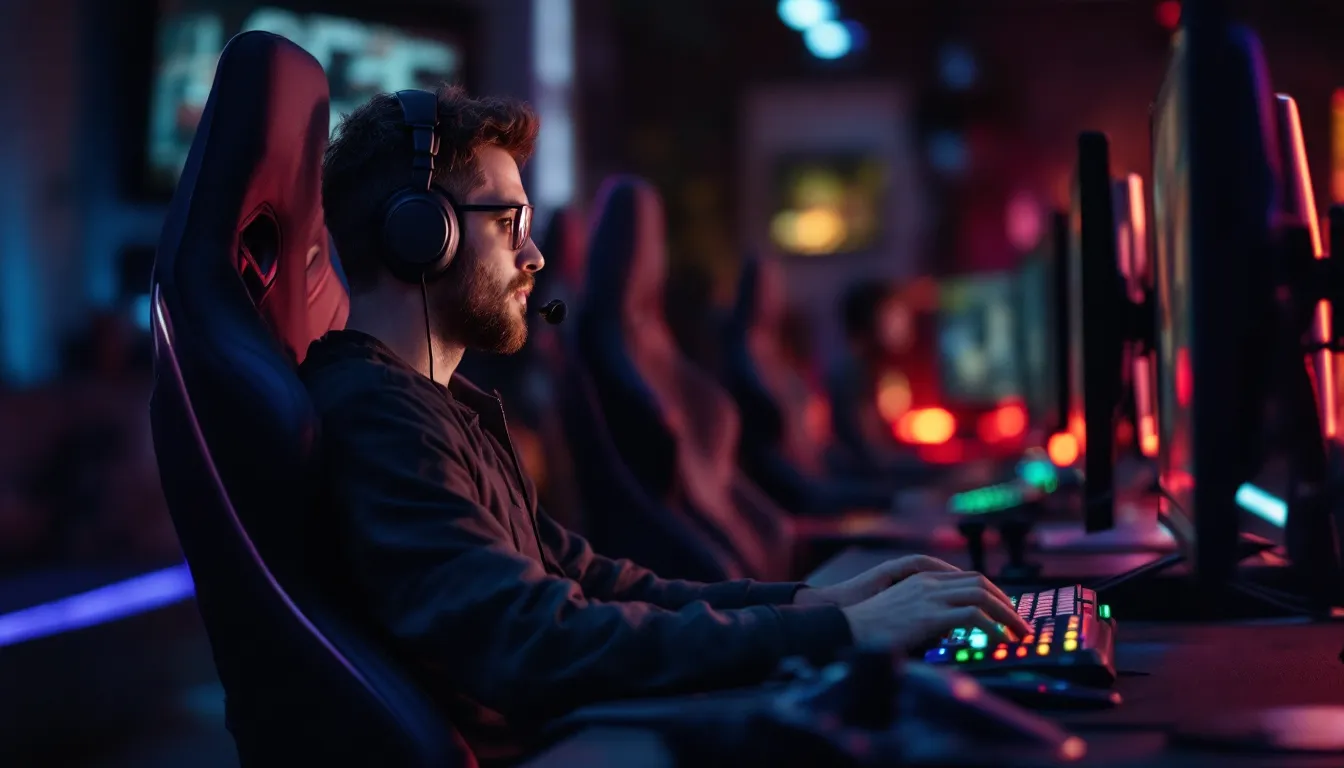
Beats has made serious moves into gaming audio in recent years, and gamers are taking notice. Whether you’re grinding ranked matches on PC, tearing through story campaigns on console, or catching some mobile gaming sessions, Beats gaming headsets promise premium sound paired with Apple’s ecosystem integration. But here’s the thing, gaming headsets are a crowded market, and not every premium brand deserves the investment. This guide breaks down what Beats gaming headsets actually deliver, who they’re built for, and whether they’re worth the premium price tag in 2026. We’ll cover the specs, real-world performance, and how they stack up against established gaming audio brands, so you can make an well-informed choice before dropping your money.
Table of Contents
ToggleKey Takeaways
- Beats gaming headsets deliver premium audio quality with balanced EQ tuning and extended treble response that enhances competitive audio cues without sacrificing clarity.
- With up to 40 hours of wireless battery life and serviceable components, Beats gaming headsets offer long-term durability and cost-of-ownership value comparable to multiple cheaper gaming headset replacements.
- Seamless ecosystem integration with Apple devices, low-latency USB connectivity, and professional-grade microphones make Beats gaming headsets ideal for competitive players, streamers, and content creators.
- While positioned at a premium price point ($299-449), Beats gaming headsets justify the investment for serious gamers prioritizing audio excellence, build quality, and extended 4+ hour comfort over gaming-specific aesthetics.
- Gamers should customize audio settings per game type and test fit and comfort during return periods, as no headset delivers value if ergonomic preferences don’t align with Beats’ design approach.
What Makes Beats Gaming Headsets Different?
Brand Legacy and Audio Excellence
Beats didn’t start as a gaming brand, they built their reputation on signature sound tuning and cultural cachet over the past 15+ years. That heritage matters when you’re evaluating their gaming headsets because it means they’re not just slapping a gaming label on consumer audio. Beats headsets have always prioritized bass response and dynamic range, traits that translate well to gaming environments where environmental audio cues matter.
The brand’s focus on audio quality means their gaming models inherit refined EQ profiles tuned for clarity and impact. Whether you’re listening to footstep audio in competitive shooters or ambient soundscapes in story-driven games, you’re getting the benefit of Beats’ audio engineering expertise. Unlike some gaming-focused brands that oversaturate bass for hype, Beats maintains a more balanced approach while still delivering impact.
Design Philosophy for Gaming
Beats approaches gaming headset design differently than legacy gaming audio companies. Instead of aggressive RGB lighting or oversized ear cups, Beats gaming headsets lean toward clean aesthetics that work in streaming setups, esports tournaments, and casual gaming alike. This matters if you value a headset that doesn’t scream “gamer” across your entire desk.
Comfort-focused design is baked into their gaming lineup. They’ve invested in pressure-relieving ear cushioning and adjustable headbands that accommodate marathon gaming sessions without the fatigue you’d get from cheaper models. The build quality reflects their positioning, aluminum frames, reinforced cables on wired options, and materials that feel durable through repeated adjustments and transport.
Key Features to Look For in Beats Gaming Headsets
Audio Quality and Frequency Response
When evaluating Beats gaming headsets, you want to understand their frequency response curve. Gaming audio demands clarity across the entire spectrum, muddy mids lose you directional audio cues, weak treble obscures distant footsteps, and uncontrolled bass muddies everything. Beats models typically deliver extended treble response (useful for competitive audio), boosted bass (satisfying for environmental immersion), and preserved mids that keep vocals and in-game dialogue intelligible.
The key metric here is whether the headset’s audio signature actually helps you play better. In competitive titles, you need to hear subtle audio cues without them being buried. Beats gaming headsets generally avoid the “V-shaped” curve that some gaming brands favor, instead offering a more nuanced profile that maintains competitive clarity while retaining that signature Beats impact.
Comfort and Ergonomics
You can’t perform at your best on a headset that’s digging into your head after 90 minutes. Beats gaming models feature memory foam ear cups that conform to your ears without excessive pressure. The adjustable headband uses a friction-fit design that holds position without being too tight, which is crucial for long sessions.
Ventilation is another practical consideration. Gaming sessions generate heat, and many gaming headsets create an uncomfortable sweat situation around the ears. Beats addresses this with breathable synthetic leather and perforated padding that improves airflow compared to fully sealed designs. Weight distribution matters too, most Beats gaming headsets stay under 250 grams, preventing the neck fatigue you’d get from heavier models.
Connectivity Options
Modern Beats gaming headsets offer flexibility you genuinely need. Most models support both wired and wireless connectivity, letting you switch based on your setup. Wireless models typically use 2.4 GHz USB dongle connections on PC and direct Bluetooth pairing on consoles and mobile devices. This dual-mode approach means you’re not locked into a single connection type.
Wired modes matter for latency-sensitive scenarios. Even though modern wireless gaming connections are solid, some competitive gamers prefer the guaranteed low-latency connection of a 3.5mm wired setup. Quality Beats models include high-grade audio cables with proper shielding to avoid interference, which makes a real difference in noisy electrical environments.
Microphone and Communication
The built-in microphone separates a gaming headset from regular headphones. Beats gaming models include detachable or retractable microphones with noise cancellation that focuses on your voice while suppressing background noise. This matters in multiplayer scenarios where teammates need to hear clear callouts, not your mechanical keyboard and room noise.
Microphone placement affects voice capture quality. Beats positions their gaming mics close to your mouth with flexible boom arms that let you position for optimal recording without blocking your view. The noise-gate settings on supported models let you adjust sensitivity so quiet voices get amplified while background noise stays suppressed.
Beats Gaming Headset Models: A Comprehensive Breakdown
Popular Current Lineup
Beats has several models positioned for gaming audiences as of 2026. The Beats Pro Gaming represents their primary gaming-focused offering, featuring 40mm drivers tuned specifically for gaming audio across multiple platforms. This model includes spatial audio support on compatible devices, improved noise isolation, and gaming-specific firmware optimizations.
The Beats Solo Pro and Beats Studio Pro lineups also serve gamers effectively, even though they’re marketed as lifestyle products. Many competitive players prefer these for their cleaner audio profiles and excellent build quality, even if they lack dedicated gaming features. These models prioritize audio clarity over gaming-specific bass boost, which appeals to players who value competitive audio cues.
Specs Comparison and Performance
Here’s how the key specs break down:
Beats Pro Gaming:
- Driver size: 40mm
- Frequency response: 20 Hz – 20 kHz
- Impedance: 32 ohms
- Bluetooth version: 5.3
- Battery life (wireless): Up to 40 hours
- Weight: 235 grams
- Available platforms: PC, PS5, Xbox Series X/S, Switch, mobile
Beats Solo Pro:
- Driver size: 40mm
- Frequency response: 20 Hz – 20 kHz
- Impedance: 32 ohms
- Bluetooth version: 5.2
- Battery life: Up to 40 hours
- Weight: 225 grams
- Available platforms: All major systems via Bluetooth and 3.5mm
The frequency response specifications look similar on paper, but implementation differs. The Beats Pro Gaming emphasizes gaming-specific EQ tuning, while the Solo Pro maintains a more balanced consumer audio signature. For competitive gaming, the technical specs matter less than how those specs translate to in-game audio performance, and that varies by title and personal preference.
Latency is worth examining. The Beats Pro Gaming achieves sub-8ms latency on USB dongle connections, which meets competitive gaming standards. Bluetooth connections show higher latency (typically 60-100ms depending on the device), making them acceptable for casual play but potentially problematic for precision-demanding titles.
Performance Across Different Gaming Platforms
PC Gaming Experience
PC remains the most flexible gaming platform, and Beats gaming headsets take advantage of that flexibility. On PC, you can use Beats models via USB 2.4 GHz dongle (lowest latency), standard Bluetooth (higher latency, more interference potential), or wired 3.5mm connection (guaranteed low latency). This flexibility means you can optimize your connection based on whether you’re playing competitive multiplayer or single-player campaigns.
The Beats gaming app for Windows/Mac provides customization options for EQ tuning, microphone sensitivity, and noise gate configuration. This software-level control lets you dial in audio for specific game types, boosting treble for tactical shooters, adjusting bass for immersive RPGs, or fine-tuning mic sensitivity for Discord communication. Most competitive players appreciate this level of control over generic presets.
PC compatibility extends across all major gaming platforms: Steam, Epic Games Store, Battle.net, and console emulation on high-end rigs. Driver support remains solid across Windows 10/11 and macOS, with regular firmware updates addressing compatibility issues.
Console Gaming Compatibility
Beats gaming headsets work natively across modern consoles without additional adapters. PS5 and Xbox Series X/S recognize Beats headsets via Bluetooth with minimal setup, just enable pairing mode and connect. Nintendo Switch compatibility works similarly, though the wireless range is slightly reduced due to the Switch’s less-powerful Bluetooth implementation.
Console-specific features vary. PS5 integration includes support for DualSense haptic audio feedback on compatible games, though this feature isn’t universally implemented. Xbox Series X/S supports spatial audio features through Dolby Atmos-compatible games, which Beats headsets can reproduce effectively. Switch users get straightforward Bluetooth connectivity without platform-specific features beyond standard audio output.
Wired connections on consoles aren’t as practical due to cable length constraints, but they’re available through USB-C adapters on newer console controllers if latency optimization is critical for your setup.
Mobile Gaming Versatility
Mobile gaming represents a growing segment, and Beats’ ecosystem integration shines here. iPhone and iPad users get seamless pairing through Apple’s continuity features, if you’re signed into the same iCloud account, Beats headsets automatically connect when you launch gaming apps. This convenience factor matters if you’re switching between devices throughout your day.
Android users experience straightforward Bluetooth pairing with modern phones and tablets, though without the ecosystem perks that iPhone users get. Battery management on mobile devices shows improvements with Bluetooth 5.3 models, which consume less power than earlier generations. Gaming sessions on mobile drain battery faster than standard use due to higher audio processing demands, but Beats headsets maintain reasonable battery life (8-10 hours of active gameplay per charge on most models).
Mobile cloud gaming through services like PlayStation Plus Premium, Xbox Game Pass Ultimate, or GeForce Now benefits from Beats headsets’ low-latency wireless connections. The combination of responsive audio and responsive controls creates a more immersive cloud gaming experience than cheaper wireless options.
Sound Quality Breakdown for Competitive Gaming
Spatial Audio and Surround Sound
Spatial audio has become increasingly important in modern gaming, and Beats gaming headsets support this feature on compatible platforms. PS5’s 3D audio, Xbox’s spatial audio through Dolby Atmos, and PC implementations all benefit from Beats headsets’ 40mm driver implementation, which provides convincing directional cues through clever frequency manipulation rather than multiple driver arrays.
The advantage of this approach is simplicity and reliability, no driver mismatch issues or channel imbalance. The disadvantage is that true positional audio quality depends heavily on game implementation. Titles that properly use spatial audio standards sound dramatically better than games with half-hearted audio implementations. Competitive shooters like Valorant and Counter-Strike 2 show the most improvement with spatial audio enabled, as precise audio direction directly impacts gameplay.
For competitive play, the precision of audio direction matters more than the number of virtual channels. Beats headsets excel at pinpointing sound sources across the horizontal plane, which is where most gameplay-relevant audio cues occur. Vertical audio cues (above/below) are less critical in most games, and Beats handles these with acceptable accuracy.
Bass Response and Immersion
Beats’ signature bass presence carries over to their gaming models, which is either a feature or a flaw depending on your preferences. The bass response isn’t ear-shattering or uncontrolled, it’s tuned to enhance impact without muddying the mids where directional audio cues live. Explosions in Cyberpunk 2077, gunfire in Call of Duty, and environmental rumbles in Dark Souls benefit from this balance.
The real advantage emerges in long gaming sessions. Bass-heavy headsets fatigue your ears over time because your brain works harder to filter the low-end information. Beats’ approach maintains impact while staying listenable for 4+ hour sessions, which matters if you’re a competitive grinder or content creator. The bass doesn’t feel artificial or compressed, it feels like a natural part of the audio landscape.
Comparable products reviewed on RTINGS offer detailed bass measurements that let you see exact frequency response curves. This data helps you understand whether a headset’s bass profile matches your game preferences.
Noise Isolation Capabilities
Active noise cancellation on Beats gaming headsets addresses a real problem, external noise breaking your gaming immersion or making competitive callouts harder. The noise isolation isn’t aggressive (you can still hear important external sounds like fire alarms or doorbell rings), but it’s effective at attenuating consistent background noise like HVAC systems or traffic.
Passive isolation through the physical ear cup design adds another layer. The sealed design of Beats gaming models contains sound effectively, meaning you’re not excessively blasting audio into the room around you, useful consideration if you’re gaming in a shared space. The combination of passive isolation and selective active noise cancellation creates a balanced approach that doesn’t feel suffocating.
For competitive gaming specifically, some players disable noise cancellation to maintain awareness of their physical surroundings during high-stakes moments. Beats makes this toggle easy through their companion app, letting you switch mid-session if your tournament or practice environment changes.
Battery Life and Durability
Wireless Runtime Performance
Beats gaming headsets achieve up to 40 hours of wireless battery life on a single charge, which translates to roughly 5-6 days of active gaming (assuming 6-8 hours daily). In practical terms, you’re charging these maybe weekly, not nightly like cheaper wireless gaming headsets.
The 40-hour figure comes from typical use at moderate volume levels. Gaming sessions at higher volumes (necessary for competitive audio cue detection) reduce this to approximately 30-35 hours. Fast charging technology adds another practical benefit, 15 minutes of charging gives you 8+ hours of gaming time, which covers emergency situations where your battery dips unexpectedly.
Battery degradation follows typical lithium-ion curves. After 2-3 years of regular use, you’ll notice roughly 15-20% battery capacity loss, which is normal and acceptable. Beats designs their battery modules for serviceability, meaning battery replacement is possible after warranty expiration, extending the headset’s useful life beyond what disposable competitors offer.
Build Quality and Longevity
The physical construction reflects premium positioning. Aluminum arms, reinforced plastic ear cup housings, and high-quality synthetic leather padding suggest these headsets can survive years of gaming use. The hinges show the most wear on any headset through repeated adjustment, and Beats uses friction-fit designs rather than cheap ball-joint mechanisms that loosen over time.
Cable quality matters if you’re using wired connection modes. Beats includes properly shielded, reinforced cables with strain relief at connection points. This construction prevents the fraying and intermittent connection issues that plague cheaper gaming headsets. The detachable cable design lets you replace worn cables individually rather than junking the entire headset.
Water and dust resistance isn’t explicitly rated on most Beats gaming models, meaning they’re not sweat-proof or rain-proof. This is a realistic tradeoff, truly sealed headsets would sacrifice ventilation and comfort for gaming. Standard care like wiping down after particularly sweaty sessions prevents long-term degradation.
Warranty coverage varies by region and retailer, typically ranging from 1-2 years for manufacturing defects. Beats’ repair program remains accessible, with multiple paths for warranty service compared to gaming brands that force mail-in repairs through single distributors.
Price and Value Comparison
Budget-Friendly Options
Beats doesn’t have a true budget gaming entry, their positioning and brand identity support premium pricing across the board. But, the Beats Solo Pro ($299-349) represents their most accessible gaming option without sacrificing core audio quality. This model delivers excellent bang-for-buck if you don’t need dedicated gaming-specific firmware or optimized EQ profiles.
Consider this price point against direct competitors. PCMag’s gaming headset reviews show that $299-349 puts you in the mid-tier premium category where you get solid audio quality, proven build reliability, and brand resale value. Cheaper gaming headsets in the $99-199 range often have noticeable compromises in audio clarity, mic quality, or comfort during extended sessions.
The value equation shifts if you already own other Beats products. Integration within the Apple ecosystem reduces friction for iOS and macOS users. Faster pairing, shared battery management notifications across devices, and potential software sync features justify premium pricing for ecosystem users more effectively than for Android-primary users.
Premium Models Worth the Investment
The Beats Pro Gaming ($399-449) represents the premium gaming-focused option. At this price point, you’re comparing against established gaming brands like HyperX, SteelSeries, and Corsair. The value question becomes whether Beats’ audio engineering and build quality justify the premium.
The answer varies by gaming focus. Competitive players benefit from the low-latency wireless connection, precise spatial audio, and software customization. Immersive single-player enthusiasts benefit from the audio quality and comfort for 4+ hour sessions. Content creators appreciate the microphone quality and the headset’s appearance on camera during streams.
Resale value favors Beats products compared to gaming-specific brands. A two-year-old Beats headset maintains better market value than equally-aged gaming models, which matters if you upgrade regularly. This hidden value reduces effective ownership cost compared to cheaper options that depreciate heavily.
Long-term cost-of-ownership analysis, when accounting for durability, battery replacement capability, and resale value, often favors premium Beats models over cheaper gaming headsets that might need replacement every 18-24 months.
Tips for Maximizing Your Gaming Headset Experience
Optimal Audio Settings
Out-of-box audio tuning on Beats gaming headsets is solid but not universally optimal for every game. Taking 5 minutes to customize EQ can meaningfully improve performance. For competitive shooters, boost treble by 2-3 dB to enhance footstep clarity and reduce bass to prevent rumble from masking directional cues.
For immersive story games, the default tuning works well, but slight bass boost (2-3 dB) enhances environmental atmosphere without losing dialogue clarity. For sports titles and racing games, moderate bass (default or slight reduction) combined with boosted mids clarifies in-game communication while maintaining impact from crashes and collisions.
Microphone tuning matters equally. Most gaming Discord servers benefit from noise gate enabled at -40 to -35 dB threshold, which cuts background noise while preserving voice clarity. Test your mic settings by recording a 30-second sample, then adjusting based on what you hear. A properly configured Beats gaming mic sounds surprisingly professional compared to even expensive standalone streaming microphones.
Disable noise cancellation during competitive matches where environmental awareness matters. Voice chat proximity (hearing nearby teammates versus distant ones) becomes more challenging with aggressive noise cancellation active. Most Beats models let you toggle this instantly through their app, so switching for different game types takes seconds.
Maintenance and Care
Regular maintenance extends headset lifespan significantly. Weekly cleaning with a dry microfiber cloth removes dust and sweat buildup. Monthly deep cleaning using a slightly damp cloth (not water-soaked) on ear cups, headband, and microphone boom prevents buildup that affects audio quality and hygiene.
Cable management prevents damage to both cables and connector ports. Coil cables loosely rather than tight knots, which stress the connector points. Store headsets in a dust bag or case if you’re traveling, preventing scratches and accidental damage from pressure or impacts.
Firmware updates, when available through the Beats companion app, address stability issues and may improve gaming performance. Update during idle periods, not before important matches, to avoid unexpected behavior changes during critical moments.
Battery maintenance is straightforward, occasional full discharge (monthly) helps maintain battery calibration and longevity. Most gaming usage patterns don’t require special battery care beyond standard charging practices. Using the supplied charging cable versus third-party chargers reduces risk of battery damage.
TechRadar’s gaming hardware guides include detailed maintenance recommendations for extended lifespan, emphasizing environmental control (avoiding extreme temperatures) and storage best practices that apply universally to premium gaming gear.
Real Gamer Feedback and Performance Insights
Strengths and Standout Features
Gamers consistently praise Beats gaming headsets for audio quality, which remains their primary competitive advantage. The extended treble response delivers noticeable improvement in competitive awareness, footsteps, pin drops, and distant radio chatter emerge clearly without feeling artificially boosted. This translates to tangible gameplay improvements in audio-dependent titles.
Build quality resonates strongly with long-term users. The combination of durable materials, replaceable cables, and serviceable batteries means gamers feel confident using these headsets for years rather than viewing them as disposable. This long-term reliability reduces frustration from unexpected failures during important gaming moments.
Comfort through extended sessions represents another consistent strength. Gamers report using these headsets for 4-6 hour sessions without the ear pain or neck fatigue that plague uncomfortable designs. The memory foam ear cups conform uniquely to each user’s ear shape, which accounts for positive feedback across different head sizes and shapes.
Microphone quality surprises many gamers accustomed to thin gaming mic performance. The Beats gaming microphone captures natural voice tone, rejects background noise effectively, and requires less post-processing in recording software. For streamers and competitive team players, this translates to reduced production overhead.
Common Concerns and Limitations
Some gamers criticize the lack of aggressive active noise cancellation compared to consumer-focused Beats models. Gaming-specific noise cancellation prioritizes maintaining awareness over complete isolation, which is intentional but not universally appreciated. Players in noisy environments might find this insufficient compared to true noise-cancelling models.
The price premium relative to gaming-specific brands causes hesitation. Justifying $399+ for gaming-focused headsets requires accepting that Beats’ brand value and audio engineering command premium pricing beyond raw gaming features. Budget-conscious gamers often choose cheaper alternatives even though accepting inferior audio quality and durability.
Software limitations on some platforms frustrate gamers accustomed to full customization. Mobile gaming doesn’t receive the same software support as PC, meaning fewer customization options on iPhone/Android platforms. This creates an uneven experience depending on your primary gaming platform.
Ergot design preferences vary significantly, some gamers prefer larger ear cups with deeper clamping force, which Beats gaming models don’t provide. This affects passive isolation perception and comfort across different user preferences. Trial periods or return policies become critical for ensuring fit comfort before committing to premium pricing.
Latency on Bluetooth connections (60-100ms) proves problematic for rhythm games and precision-dependent titles even though being acceptable for most traditional gaming. Players seeking absolute zero-latency might prefer USB-only or wired solutions, though this limits the convenience factor Beats markets.
How Beats Gaming Headsets Compare to Other Brands
Competitive Alternatives in the Market
The gaming headset market includes established players like HyperX Cloud, SteelSeries Arctis Pro, Corsair HS80 RGB, and ASUS ROG Strix. These brands specifically target gamers with gaming-centric features like aggressive EQ tuning, visible gaming aesthetics, and sometimes integrated lighting.
HyperX Cloud models emphasize comfort and reliability at competitive prices ($149-249), making them the value proposition leaders. Audio quality remains solid but less refined than Beats’ tuning. SteelSeries Arctis Pro ($329) competes directly on features and price but maintains SteelSeries’ gaming-first design philosophy with RGB lighting and aggressive marketing toward esports.
Corsair HS80 RGB ($199) balances budget friendliness with solid gaming features including surround sound virtualization and good microphone quality. The RGB lighting appeals to gaming aesthetics enthusiasts, though lighting adds cost while providing no gameplay benefit.
ASUS ROG Strix models position themselves as premium gaming-specific options with integration into ROG software ecosystems. If you’re building an ROG-based gaming PC, compatibility benefits might justify their premium positioning.
Where Beats Stands Out
Beats’ differentiation centers on audio excellence and ecosystem integration rather than gaming-specific feature parity. The audio signature, refined, balanced, technically excellent, appeals to gamers who also consume music and podcasts through the same headsets. This versatility justifies premium pricing for users who value multi-purpose gear.
The ecosystem integration advantage matters significantly for Apple users. The seamless pairing, shared battery management, and potential for future software improvements through macOS/iOS updates create locked-in value. Android users miss these benefits entirely, making the premium pricing harder to justify.
Build quality and material selection exceed what most gaming brands offer at equivalent price points. Aluminum construction, premium synthetic leather, and reinforced cables suggest longevity that outlasts two or three gaming-specific headset upgrades.
The aesthetic neutrality benefits both professional streamers and competitive players. These headsets look appropriate in esports tournament booths, professional streaming setups, or casual gaming environments without screaming “gaming gear” in a way that looks dated after trend cycles change.
Microphone quality surpasses most gaming alternatives. The noise cancellation and frequency response tuning let these microphones perform closer to standalone streaming microphones, reducing the need for additional audio equipment in streaming setups.
Conclusion
Beats gaming headsets represent a thoughtful intersection between audio engineering excellence and gaming functionality. They won’t appeal to every gamer, budget-conscious players have better value alternatives, RGB enthusiasts might feel underserved by minimalist aesthetics, and casual mobile gamers don’t need premium pricing.
For competitive players who value precise audio cues, ecosystem users who benefit from Apple integration, content creators seeking professional-grade microphone quality, and gamers who game for 4+ hours daily and demand comfort, Beats gaming headsets deliver genuine value even though their premium positioning.
The decision eventually hinges on your priorities. If audio quality and durability matter more than gaming-specific features and aggressive marketing, Beats deserves serious consideration. If you need budget-friendly alternatives or prefer gaming-brand aesthetics and ecosystem integration, established gaming brands might serve you better. Take advantage of return periods to test fit and comfort, because no headset delivers value if the fit doesn’t work for your unique ear shape and comfort preferences.

