
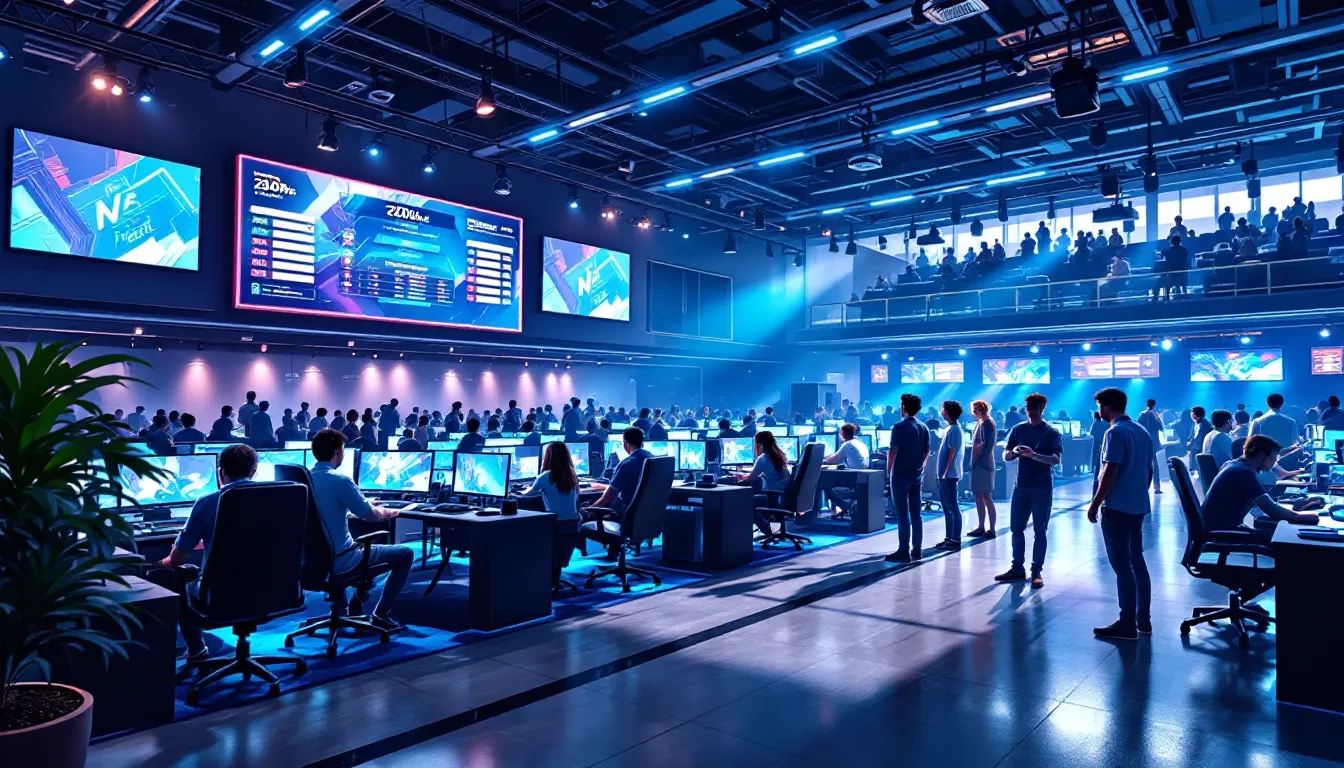
If you’re serious about gaming, you’ve probably wondered where the real action is, whether that’s watching esports titans compete on massive stages, grinding in communities that actually understand your favorite games, or finding tournaments where you can prove yourself. Gaming hotspots aren’t just random internet forums or cities with a few arcades anymore. They’re thriving ecosystems where infrastructure, talent, and community converge to create something genuinely special. In 2026, the gaming landscape is more fragmented and interconnected than ever before. You’ve got physical destinations hosting world-class tournaments, digital communities spanning continents, and niche pockets of passionate gamers building culture in unexpected places. Understanding where these hotspots exist, and how they operate, can completely change your gaming journey, whether you’re looking to level up competitively, connect with like-minded players, or simply find where your gaming niche thrives. This guide breaks down the major hotspots by region, explores the digital spaces reshaping how gamers connect, and shows you exactly how to tap into these communities.
Table of Contents
ToggleKey Takeaways
- A true gaming hotspot requires convergence of infrastructure (high-speed internet, tournament-grade equipment, backup power), engaged community, and longevity—not just size or location.
- Asia-Pacific dominates the global gaming landscape with over 700 million players, with South Korea’s esports professionalism and China’s massive tournament infrastructure setting the standard that other regions emulate.
- Digital gaming hotspots through Twitch, Discord, and online qualifiers have democratized competitive gaming, allowing players outside major cities to compete professionally and build legitimate gaming careers.
- Niche gaming hotspots like speedrunning communities (Games Done Quick), retro gaming conventions, and casual cozy gaming spaces offer lower barriers to entry and deeper cultural appreciation beyond competitive rankings.
- To integrate into a gaming hotspot, start by joining online communities in Discord or forums, attend local tournaments as a spectator or competitor, and commit to consistent participation over months to build genuine professional and social relationships.
- Gaming hotspots now span physical venues, streaming platforms, and specialized communities, giving players multiple entry points to connect with passionate gamers aligned with their specific interests and commitment levels.
What Makes a True Gaming Hotspot
A gaming hotspot isn’t just a place where people play games. It’s a confluence of factors that enable serious play, meaningful competition, and genuine community building. Not every city with a gaming café or every Discord server qualifies. The real ones have staying power and attract talent consistently.
Infrastructure and Technology Requirements
Technology is the backbone of any legitimate gaming hotspot. Without solid infrastructure, even the most passionate community can’t sustain competitive play or streaming culture.
High-speed internet is non-negotiable, we’re talking gigabit-level speeds for hosting tournaments, streaming to thousands of viewers, and ensuring zero lag during critical matches. A 10ms ping difference can cost you a round in tactical shooters like Valorant or CS2. Gaming cafés in hotspots invest heavily in enterprise-grade networking, multiple redundant connections, and low-latency setups specifically built for competitive play.
But it’s not just about bandwidth. Real hotspots have invested in gaming-specific infrastructure: tournament-grade monitors (typically 240Hz or higher), high-end PC rigs with components that match the meta at any given moment, and proper peripherals. Console hotspots need the latest hardware, PS5s running at 120fps, Xbox Series X consoles, and Nintendo Switch pro controllers that actually work consistently.
Power delivery matters too. A single power outage during a tournament final can torpedo an entire region’s credibility. Top hotspots have backup power systems, UPS units protecting critical equipment, and facilities designed to handle hundreds of simultaneous gaming sessions without bottlenecks.
Venue infrastructure separates pretenders from the real deal. Proper cooling systems keep hardware running smoothly during marathon gaming sessions. Acoustics matter for esports broadcasts. Seating arrangements need to accommodate both players and spectators. You’ll find proper gaming hotspots with dedicated streaming booths, broadcast-quality production equipment, and spaces designed for both casual gaming and high-stakes competition.
Community Size and Engagement
Size alone doesn’t make a hotspot, it’s what people actually do together that matters. A city with 50,000 gamers but zero organized events and fractured communities isn’t a hotspot. A scene with 5,000 highly engaged players running regular tournaments, streaming consistently, and actively recruiting new talent? That’s the real thing.
Engagement metrics reveal a lot. Are people showing up to local tournaments consistently? Do streams pull decent viewership numbers? Is there active discussion in community channels, or just tumbleweeds? Genuine hotspots have leaders, tournament organizers, content creators, and community managers who drive activity and hold people accountable.
The “sticky” factor is critical. Can players find matches at any time of day? Do experienced players mentor newcomers, or is it purely competitive gatekeeping? The healthiest hotspots balance competitive intensity with accessibility. Someone new to the scene should be able to find entry-level competitions, casual groups, and mentorship opportunities within weeks of arriving.
Cross-game community support distinguishes thriving hotspots from narrow scenes. A solid regional gaming hub supports multiple titles, maybe Valorant esports sits alongside a strong Minecraft creative community and a fighting game arcade scene. Diversity keeps the ecosystem resilient. When one game’s competitive scene contracts, the hotspot doesn’t collapse because other communities maintain momentum.
Longevity matters. A hotspot that’s been running regular events for 5+ years has infrastructure, institutional knowledge, and real staying power. Flash-in-the-pan gaming communities fueled by a single game’s popularity tend to evaporate once that title’s meta shifts or player interest wanes. Real hotspots weather those changes because they’re built on deeper foundations.
Major Gaming Hotspots by Region
Gaming hotspots cluster into distinct regional hubs, each with its own flavor shaped by local talent, infrastructure investment, and cultural factors. Understanding these regional centers gives you a roadmap for where the action actually is.
Asia-Pacific: The Esports and Mobile Gaming Hub
Asia-Pacific dominates the global gaming landscape, period. This isn’t hype, it’s data. The region generates more esports revenue than North America and Europe combined, and the sheer player volume is staggering.
South Korea remains the esports epicenter. Seoul specifically is where competitive gaming became a profession before anywhere else on Earth. The country birthed organized Starcraft leagues in the 1990s, normalized gaming cafés as social spaces, and built the infrastructure that every other region now copies. The Korean esports industry is mature: established franchises, professional coaching systems, and broadcasting networks dedicated entirely to gaming. Matches like LCK (League of Legends Champions Korea) finals draw viewership that rivals traditional sports in the region.
China is the absolute powerhouse by volume. With over 700 million gamers, it dominates mobile gaming and has become a juggernaut in PC esports. Cities like Shanghai, Beijing, and Hangzhou host massive tournaments and operate as cultural capitals for gaming. The nation’s investment in esports infrastructure is unmatched, purpose-built arenas, streaming platforms, and a gaming culture so integrated into daily life that major tournaments feel like national events. Valorant, League of Legends, and Dota 2 draw participation numbers that dwarf Western competitions.
Southeast Asia, Thailand, Vietnam, Philippines, Indonesia, has exploded as a mobile gaming and fighting game hub. These countries have younger populations with high mobile gaming penetration, making them critical markets for titles like Mobile Legends and PUBG Mobile. Local esports ecosystems are growing rapidly, with streaming becoming a legitimate career path for thousands of players.
Australia and New Zealand function as the Pacific gaming nexus. While smaller than Asia’s megacenters, they’ve built solid competitive scenes in FPS games and have strong streaming communities. The region’s geographic isolation historically made it harder to compete internationally, but improved internet infrastructure in 2025-2026 has opened competitive windows for top players.
North America: Streaming and Console Gaming Centers
North America’s gaming hotspots reflect the region’s strength: content creation and mainstream gaming culture integration.
Los Angeles is the North American epicenter. The city hosts major esports franchises, operates world-class gaming venues, and functions as the content creation capital. Streamers flock to LA because of existing infrastructure, talent density, and proximity to entertainment industry resources. If you’re a content creator trying to make esports mainstream, LA is where you build connections and visibility.
Dallas has become an unexpected powerhouse, particularly for competitive console gaming and fighting games. The city hosts major esports franchises and has invested in dedicated gaming facilities. The FGC (fighting game community) maintains strong roots here, with regular local tournaments and arcade culture that stays vibrant.
Seattle punches above its weight as a developer hub and gaming destination. The city’s proximity to major tech companies, combined with a strong esports scene, makes it a natural gathering point. Seattle hosts significant Dota 2 and Counter-Strike tournaments, and the local gaming community maintains high engagement even though less mainstream visibility than LA or Dallas.
Toronto and Vancouver represent the Canadian gaming sphere. Toronto especially has built a credible esports scene with franchises, tournaments, and streaming infrastructure. The cities serve as secondary hubs where North American esports talent can compete at high levels without relocating to the US.
Console gaming hotspots in North America tend to center around major metropolitan areas with strong Discord communities and local gaming groups. The FGC maintains vibrant scenes in cities like Chicago, New York, and San Francisco, places where arcade culture has historical roots and fighting game tournaments draw consistent crowds.
Europe: Competitive Gaming and Retro Gaming Communities
Europe’s gaming hotspots reflect regional diversity. You’ve got hardcore competitive scenes, streaming powerhouses, and some of the world’s strongest retro gaming communities.
Sweden dominates European esports, producing disproportionate talent in competitive titles. Stockholm specifically hosts major tournaments and has cultivated a scene where gaming has cultural legitimacy. The nation’s gaming industry is massive, not just players, but developers, streamers, and esports organizations.
France and Germany operate as secondary powerhouses. Paris and Berlin host major esports events and maintain strong competitive communities across multiple titles. Germany especially has a robust PC gaming culture and strong peripherals/hardware scene.
Poland has emerged as an unexpected competitive gaming hub, particularly for fighting games and smaller esports titles. Cities like Warsaw maintain active communities and host tournaments that punch above their weight in terms of competition quality.
UK and Ireland maintain strong streaming communities and content creation scenes. While not esports powerhouses like Sweden, these countries have cultivated dedicated gaming communities with solid engagement metrics.
Europe also houses some of the world’s strongest retro gaming communities. Places like Germany and Netherlands maintain dedicated communities around retro arcade gaming, with well-organized conventions and a culture that values gaming history. Retro gaming hotspots tend to be scattered across smaller cities and towns where arcade cabinets have survived and community members have maintained collection networks.
Online Gaming Hotspots and Digital Communities
Physical locations matter, but in 2026, digital hotspots are equally, if not more, important. The internet has created gaming communities that transcend geography entirely, and some of the most vibrant scenes exist entirely online.
Streaming Platforms and Content Creator Hubs
Twitch remains the primary streaming hotspot for gaming content. The platform generates more esports viewership than YouTube, creates legitimate careers for thousands of streamers, and serves as the de facto hub for gaming culture. Top Twitch streamers pull 50,000+ concurrent viewers regularly, and major esports tournaments stream here exclusively to audiences that dwarf traditional sports broadcasts.
Within Twitch, certain channels and communities function as micro-hotspots. A streamer with 100,000+ followers builds a persistent community: regular viewers, repeat chatters, and community members who organize games together. The relationship between top streamers and their communities is symbiotic, the streamer provides content and entertainment, the community provides engagement and revenue through subscriptions and donations.
YouTube Gaming has grown significantly as a secondary platform. While Twitch focuses on live streaming, YouTube’s video-on-demand content and recommendation algorithm make it powerful for gaming guides, tournament replays, and evergreen content. Creators with millions of subscribers maintain communities through Discord, but YouTube serves as the primary platform where mainstream audiences discover gaming content.
TikTok and Instagram Reels have become unexpected gaming hotspots for specific demographics. Short-form gaming content, clips, highlights, guides, performs exceptionally well on these platforms. Esports organizations, streamers, and independent creators have built massive followings (millions of followers) through TikTok gaming content, making it a legitimate discovery platform for gaming talent.
Discord functions as the social infrastructure underlying nearly all digital gaming communities. Twitch streamers use Discord to build communities, esports teams use it for internal communication and fan engagement, and game-specific Discord servers function as de facto regional hubs. A busy gaming Discord can have 50,000+ members with hundreds of simultaneous conversations across different channels.
Content creators specifically use Discord to build what gaming culture calls “communities”, spaces where fans can interact beyond the stream or video, participate in tournaments, and build lasting relationships. The best creators treat Discord not as a bonus feature but as the core of their community strategy.
Discord Servers and Gaming Forums
Large Discord servers function as digital city halls for gaming communities. A well-moderated, active Discord server dedicated to a specific game can host tens of thousands of members engaged in everything from casual play organization to competitive scrim coordination.
Game-specific Discord servers serve multiple functions: matchmaking hubs where players find teammates, tournament registration and coordination, community news distribution, and social spaces where players build friendships. A 50,000-member Valorant server might have channels dedicated to rank-specific groups (Diamond players, Immortal players, Radiant players), regional matchmaking, tournament signups, and off-topic socializing.
The moderator structure in major Discord servers often mirrors traditional esports organization structures. You’ve got administrators (equivalent to executives), moderators (staff managing community health), and verified players/streamers (community leaders). Successful Discord servers have clear rules, consistent moderation, and active leadership that prevents toxicity from driving people away.
Reddit gaming communities still operate as legitimate hotspots even though the platform’s broader decline. Subreddits dedicated to specific games (/r/valorant, /r/leagueoflegends) function as news hubs, strategy discussion spaces, and community forums. A major game’s subreddit can have millions of subscribers and thousands of daily active participants.
Specialized forums still exist for certain gaming communities, particularly fighting games and retro gaming. These tend to be older platforms (some dating back to the 2000s) with deeply engaged, knowledgeable communities. The barrier to entry is higher than Discord, and the culture is often more serious, but the quality of discussion is frequently higher than mainstream platforms.
The strength of online hotspots is accessibility. You don’t need to be in Seoul, LA, or Stockholm to participate, you need internet access. This democratizes competitive gaming and community building. A player in a smaller city can join esports tournaments through online qualifiers, stream to thousands, and build a legitimate career without relocating. Online hotspots have fundamentally changed how gaming talent develops and where competitive scenes can form.
Niche Gaming Hotspots Worth Exploring
Beyond mainstream esports and streaming, specialized gaming communities have created vibrant hotspots around specific genres, eras, and playstyles. These niches are where some of the most passionate gaming communities thrive.
Retro Gaming Communities and Conventions
Retro gaming has evolved from niche nostalgia into a legitimate cultural movement with dedicated hotspots. When a player loads up original hardware, cartridges, arcade cabinets, or classic consoles like the Nintendo 64, they’re not just chasing nostalgia. They’re often competing in speedrunning communities, collecting rare cartridges, or preserving gaming history.
Games Done Quick operates as the center of the speedrunning hotspot. The organization runs massive speedrunning marathons (Awesome Games Done Quick in January, Summer Games Done Quick in August) that draw hundreds of thousands of viewers. These events function as speedrunning conferences where players gather, share techniques, and celebrate optimization culture. The speedrunning community is deeply technical, players analyze frame data, develop new routing strategies, and push games to their absolute limits. A player running Super Metroid doesn’t just complete the game: they exploit sequence breaks to shave seconds off established world records.
Retro gaming conventions represent another major hotspot type. Events like RetroCon, Classic Game Fest, and European equivalents draw thousands of attendees, vendors, and developers. These conventions function as market hubs (buying/selling rare cartridges), educational events (panels on game preservation and development history), and community gatherings where collectors meet, trade, and celebrate shared passion.
Arcade preservation communities maintain dedicated hotspots, particularly in regions where arcade culture has historical roots. Japan’s arcade scene remains vibrant, with dedicated arcades operating in most major cities and serving as de facto tournaments spaces for fighting games. Locations like Round1 arcades in the US operate as casual hotspots where fighting game communities train, compete in local tournaments, and maintain arcade culture.
Retro gaming hotspots have one characteristic that distinguishes them: the community actively preserves and celebrates history rather than just consuming content. Members maintain wikis documenting game mechanics, run preservation initiatives archiving old games, and mentor newcomers about gaming history. It’s less about competitive climbing and more about cultural appreciation.
Mobile Gaming and Casual Gaming Centers
Mobile gaming hotspots operate on entirely different principles than traditional esports. The games are designed for accessibility, the player base is massive, and competitive scenes have formed around titles like PUBG Mobile, Mobile Legends, and Clash Royale.
Southeast Asia dominates mobile gaming hotspots, but they’re spreading globally. Mobile gaming cafés and lounges operate in major cities, functioning as spaces where players meet, compete in tournaments, and socialize. These venues differ from traditional gaming cafés, they’re often more relaxed, less focused on cutting-edge hardware (since mobile devices are standardized), and more social in nature.
Casual gaming communities have their own hotspots. Animal Crossing communities (particularly after the 2020 New Horizons release) created vibrant online hotspots where players share island designs, trade items, and support each other’s creative work. These communities operate on entirely different principles than competitive esports, there’s no ranking system, no tournaments, just creative collaboration and social support.
Cozy gaming communities have become unexpectedly significant hotspots in 2024-2026. Players seeking relaxing, low-stress gaming experiences gather around titles like Stardew Valley, Spiritfarer, and A Short Hike. These communities prioritize mental health and accessibility, making them welcoming spaces for players who might feel excluded from high-stress competitive environments.
The board game renaissance has created physical hotspots, dedicated board game cafés and communities. These spaces serve as analog gaming hotspots where players gather for organized play, tournaments, and community events. Games like Warhammer 40K maintain dedicated gaming communities with local clubs, tournament scenes, and competitive leagues.
What distinguishes casual and niche gaming hotspots: the barriers to entry are significantly lower. You don’t need high-end hardware, esports talent, or months of grinding to participate. You just need enthusiasm for the game and willingness to engage with the community. This makes them accessible entry points into gaming hotspots generally, a perfect starting point for someone exploring gaming culture for the first time.
How to Connect With Gaming Hotspots
Knowing where gaming hotspots exist is useful only if you actually connect with them. Here’s the practical breakdown for getting involved, whether you’re aiming for competitive play, content creation, or just finding your people.
Attending Gaming Events and Tournaments
Physical attendance at tournaments and gaming events is the most direct way to engage with a hotspot. It’s also intimidating if you’ve never done it before, but the mechanics are straightforward.
Start with local tournaments. If you’re interested in competitive play, begin at the community level. Look for local Discord servers, Facebook groups, or subreddits dedicated to your game in your region. These spaces regularly advertise local tournaments, bracket sizes typically range from 20 to 300 players depending on the game and location.
Local tournaments are deliberately structured to be accessible. Seeding is usually based on rank or previous tournament results, and many events have beginner brackets where new competitors face similar skill levels. The competition is real, but the stakes are lower than major events, and the community is generally supportive of new players.
Attend as a spectator first. If competition intimidates you, attend a major tournament or gaming event as a spectator. Watch how tournaments operate, observe the community energy, and get a feel for the competitive culture. You’ll pick up gaming terminology, understand meta concepts, and gain confidence about joining later.
Major esports tournaments and conventions (LEC finals, League World Championship, DreamHack, EVO fighting game championship) operate as massive hotspot events. These attract tens of thousands of attendees and serve as gathering points for the entire gaming community. Attending a World Championship final or a major fighting game tournament is genuinely transformative, you’re surrounded by people who understand your passion, competing players are right in front of you, and the energy is electric.
Register for online qualifiers. Many regional and major tournaments run online qualification rounds. This allows geographically distributed players to compete without traveling. Valorant Champions Tour, Counter-Strike tournaments, and esports leagues regularly use online qualifiers, making competitive participation accessible even if you’re not in a major hotspot city.
Online tournaments also serve as sorting mechanisms. A strong online performance can earn you invitations to offline events, sponsorships, or partnerships with esports organizations. Content creators often participate in online tournaments specifically to generate stream content, meaning participating gives you exposure to potential audiences.
Building Your Network in Gaming Communities
Attendance matters, but genuine connection requires sustained engagement. Here’s how to actually build relationships in gaming hotspots.
Join online communities first. Before attending physical events, get involved in the digital spaces. Join Discord servers dedicated to your game, post thoughtfully in forums, and participate in community discussions. This serves multiple purposes: you learn community norms and culture, you build recognition among established members, and you make contacts before meeting them in person.
When you attend a physical tournament or event, you’re already known to people. That’s powerful. Instead of being a complete stranger, you’re “that person from the Discord who always had good takes on meta.” Instant credibility and connection points.
Engage with content creators. If specific streamers or content creators represent your game’s community, watch their streams, participate in their Discord, and engage with their content. The best content creators remember regular chat members, and being a consistent community member often leads to tournament invitations, squad-up opportunities, and genuine friendships.
Many streamers maintain private tournaments or community events exclusive to their Discord. Participation gives you exposure to their audience (potentially thousands of viewers) and connection points with players at your skill level.
Find your niche within the hotspot. Even major gaming hotspots are subdivided. You might find different communities around different ranks (pro players versus casual competitive), different playstyles (aggressive versus methodical), or different roles (support versus DPS). Identify where you fit, engage deeply with that specific community, and build friendships there. A strong core group of 10-20 regular gaming partners is more valuable than surface-level connections with thousands.
Attend meetups and off-tournament events. Major gaming hotspots host regular meetups, casual tournaments, and social events beyond official competitions. Gaming conventions usually include community days, arcade areas, and casual tournament spaces. These lower-stakes events are where most real friendships form. You’re playing for fun, the pressure is minimal, and you can have actual conversations between matches.
Level up and compete locally. If you want deeper integration into a hotspot’s competitive scene, commit to improving and competing regularly. Show up to local tournaments consistently, practice with the community, and gradually climb rankings. Consistent participation builds visibility, earns respect, and creates opportunities. Players remember who shows up every month, and tournament organizers notice consistent competitors. This can lead to sponsorships, team opportunities, or even professional pathways.
For content creators: The pathway is different but equally important. Stream consistently, engage authentically with viewers, and build a community around your content. Gaming hotspots increasingly include content creators as core members, many tournaments now invite popular streamers to broadcast, and esports organizations actively recruit creators as part of their rosters.
The gaming industry uses platforms like Laptop Mag and Tom’s Guide to benchmark equipment quality, so investing in solid streaming gear signals professionalism and commitment. Quality peripherals and equipment directly impact your stream quality and your competitive performance.
Building genuine network in gaming hotspots requires sustained engagement. You’re looking at months of consistent participation, attending events, streaming regularly, or competing in tournaments, before you’re genuinely integrated. But that investment pays off. Real connections in gaming hotspots often become lasting friendships, professional relationships, and pathways to gaming careers. Gaming isn’t purely recreational: for many players, hotspot participation is how they’ve transformed gaming from hobby into profession or major life component. Technology reviews from trusted sources like PCMag can help you identify the best hardware investments for whatever gaming path you choose.
Conclusion
Gaming hotspots are fundamentally about connection. Whether you’re in Seoul competing for championship titles, streaming from your bedroom to thousands of viewers, speedrunning classic games with a passionate community, or casually grinding with friends in a Discord server, you’re participating in a gaming hotspot.
The landscape in 2026 is more accessible and diverse than ever. You don’t need to relocate to a major city to engage meaningfully, digital communities have democratized access. But physical hotspots still matter tremendously for the energy, opportunity, and relationships they create.
The key is identifying which hotspot aligns with your gaming interests and commitment level. Competitive esports has different requirements and culture than retro gaming speedrunning. Content creation requires different skills than casual community participation. Mobile gaming hotspots operate on different infrastructure than console esports.
Start with exploration. Check out communities related to your favorite games, attend an event if one’s nearby, or jump into a Discord server and lurk for a bit. Observe the culture, meet people, and see if the community resonates with you. Real gaming hotspots maintain their strength because people genuinely want to be there, not because they feel obligated.
Once you find your people, commit consistently. Show up regularly, improve at your game, engage authentically, and contribute to the community’s culture. That’s how you move from casual participant to genuine member of a gaming hotspot. And that, eventually, is where gaming stops being just a hobby and becomes a meaningful part of how you connect with the world.

