
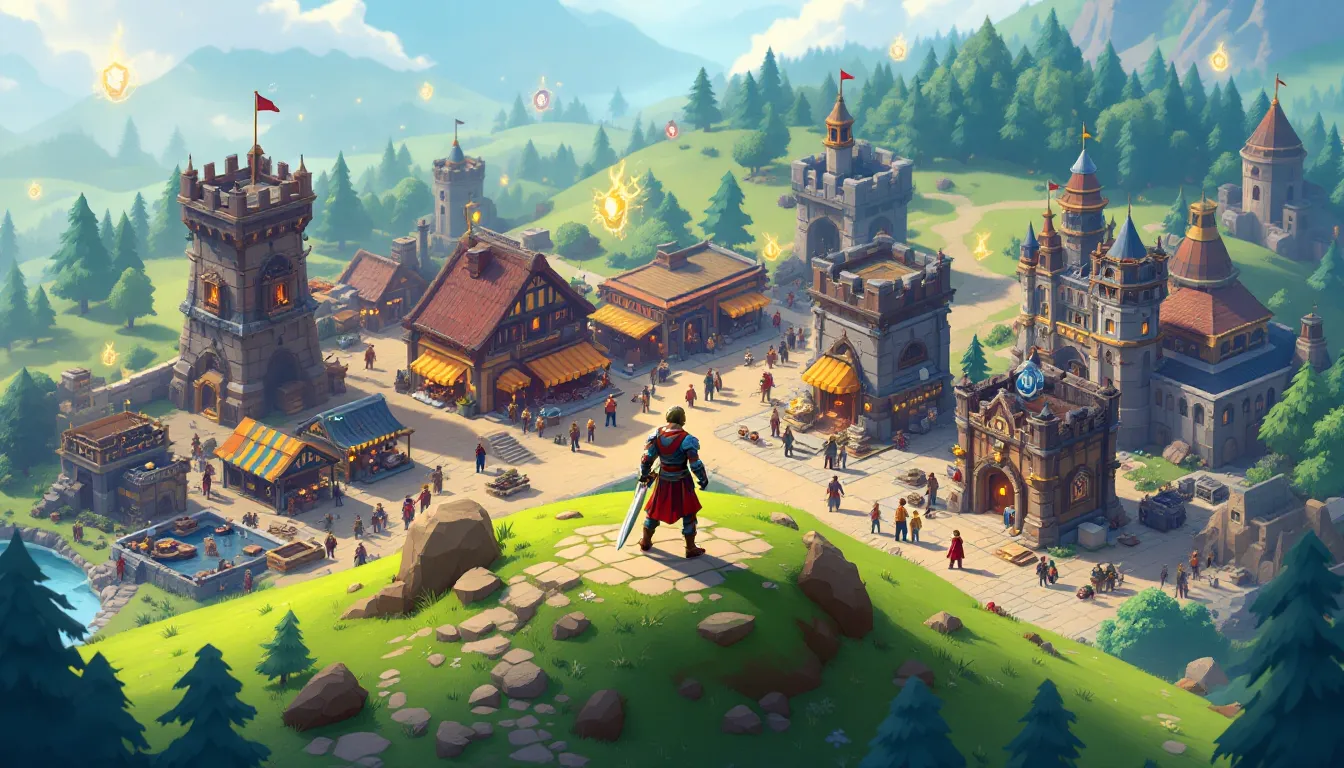
Old School RuneScape stands as one of gaming‘s most unlikely comeback stories. Launched in 2013 as a throwback to RuneScape as it existed in 2007, OSRS has evolved into a phenomenon that rivals, and in many metrics, surpasses, its parent game. With over a million monthly active players and a thriving economy of streamers, content creators, and competitive players, the OSRS background is essential knowledge for anyone wanting to understand modern MMO culture. Whether you’re drawn to the grinding mechanics, the intricate economy, or the genuine community spirit, understanding how Old School RuneScape came to be is the first step to appreciating why it’s endured for over a decade. This article walks through its complete history, evolution, and current state as of 2026.
Table of Contents
ToggleKey Takeaways
- Old School RuneScape background shows how a 2007-era game respawn became one of gaming’s most successful comebacks, with over 1.2 million monthly active players as of 2026.
- The OSRS background reveals that player-driven features like the community polling system (requiring 75% approval for changes) create loyalty and differentiate the game from RuneScape 3’s top-down design philosophy.
- Unlike graphically intensive modern MMOs, OSRS thrives on mechanical depth, an intricate player-driven economy, and earned progression where achievements feel genuinely rewarding.
- The streaming ecosystem and content creators fundamentally shaped OSRS culture by introducing efficient training methods, fashionscape trends, and Ironman mode popularity to millions of viewers.
- OSRS background knowledge demonstrates that consistent bi-weekly updates, diverse playstyles (hardcore raids, AFK-friendly methods, Ironman accounts), and respect for player time sustain long-term MMO engagement.
What Is Old School RuneScape?
Old School RuneScape (OSRS) is a multiplayer online role-playing game set in the fantasy world of Gielinor. It’s maintained as a separate version from RuneScape 3, with gameplay frozen at the August 2007 build of the original game. The core appeal is deceptively simple: grind skills, complete quests, take down bosses, and engage in player-versus-player combat. The game runs on both PC and mobile (iOS and Android via the official client), making it accessible to players regardless of platform preference.
What sets OSRS apart from other MMOs isn’t cutting-edge graphics or constant graphical overhauls, it’s the mechanical depth and the player-driven economy. Every item in the game has genuine value. Quests tell cohesive stories rather than serving as experience funnels. Combat requires actual strategy instead of button mashing. This design philosophy, rooted in the 2007 era, has proven timeless. It’s why players return after years away, and why new players can jump in and find thousands of hours of content worth their time.
The History Of RuneScape Before OSRS
The Early Years: Building A Community
RuneScape launched in January 2001 as a browser-based MMO developed by Jagex. At the time, MMOs were dominated by heavyweight titles like EverQuest and Ultima Online, both required steep system requirements and monthly subscriptions. RuneScape changed the equation. It was free-to-play, required no client download, and ran in any modern web browser. This accessibility created an explosion of players, particularly among teenagers and younger gamers.
The early years were rough by modern standards. Graphics were primitive, servers crashed frequently, and balance was nonexistent. But the community that formed during this era was passionate. Trading hubs became social gathering spaces. Guilds (called “clans”) organized PvP events. The simple act of fishing at Barbarian Village or mining iron at Varrock became something players genuinely looked forward to. By the mid-2000s, RuneScape had grown into one of the largest free-to-play MMOs in the world.
Evolution Through Major Updates
As RuneScape matured, Jagex consistently added new content: skills like Prayer and Magic expanded combat depth: quests became increasingly narrative-focused: areas like Slayer allowed players to earn substantial income while progressing through combat: boss encounters like the God Wars Dungeon introduced gear progression and raid-like mechanics. The 2007 era, specifically, was a watershed moment. The game had reached a sweet spot between depth and accessibility. The quest lines were compelling, the skill trees were balanced, and the economy felt stable and rewarding.
But Jagex had bigger plans. Management wanted to modernize the aging engine and introduce graphical improvements. This decision would eventually split the fanbase in ways no one anticipated.
The Transition To RuneScape 3
RuneScape 3 launched in 2013, introducing a completely revamped graphics engine, adjusted combat mechanics called the “Evolution of Combat” (EoC), and an avalanche of new systems. The EoC shifted combat from point-and-click simplicity to ability-bar complexity. New skills were added. The economy was rebalanced. For some players, RS3 represented progress. For many others, it felt like the soul of the game had been replaced with another generic MMO.
The backlash was swift and vocal. Nostalgia is a powerful force, but it wasn’t mere nostalgia driving the complaints, players had genuine concerns about game design philosophy. RS3’s focus on cosmetics, daily activities, and constant updates felt misaligned with the values of players who’d built the original community. Petitions emerged begging Jagex to restore the 2007 version. For years, the company dismissed the idea. Then, facing declining player retention and increased competition from games like World of Warcraft and Final Fantasy XIV, they reconsidered.
The Launch Of Old School RuneScape
Why Players Wanted Classic RuneScape Back
The demand for a 2007-version server wasn’t sentimental hand-wringing. Players had specific, design-driven objections to RS3. The Evolution of Combat removed the skill ceiling that made combat engaging, instead of predicting your opponent’s move and responding, you were executing ability rotations from a bar. The aggressive monetization through treasure chests and seasonal battle passes felt predatory compared to RS3’s early subscription model. The constant balancing patches meant nothing was stable long enough to master.
More fundamentally, players wanted a game where progression felt earned rather than given. In 2007 RuneScape, if you wanted 99 Fishing, you fished for months. It was mind-numbing, yes, but it was your achievement. RS3 added experience-boosting items and daily training methods that compressed timelines. For many, the grind wasn’t a bug, it was the feature. The journey mattered as much as the destination.
OSRS Launch Timeline And Initial Reception
Jagex launched Old School RuneScape on February 22, 2013, initially as a one-month trial. The response was staggering. Within hours, servers were overwhelmed. Players who’d quit years earlier returned to find Gielinor frozen in time. The game had roughly 500,000 accounts within the first month. By the end of 2013, Jagex committed to making OSRS permanent, with dedicated servers and a full development team.
The early OSRS experience was chaotic but magical. Trading was rebuilt from the ground up. Entire economies crystallized overnight. Guilds reformed with old members tracking each other down through forums and social media. The community wasn’t just playing, they were rebuilding their world. Streamers like B0aty began broadcasting their progress, introducing OSRS to gaming audiences beyond the original core player base. Within a year, OSRS had become a legitimate competitor to RS3 in terms of active players.
Major Content Updates And Expansions
Early OSRS Era: Building The Foundation
The first years of OSRS (2013–2015) focused on stabilizing core systems and carefully reintroducing content that had been added after the 2007 cutoff. The first major original addition was Bounty Hunter, a PvP minigame that rewarded player killing. Then came Pest Control improvements, Dharok’s armor fixes, and new quests that fit the tone and scope of the original era.
Crucially, Jagex implemented something entirely new for OSRS: player polls. Every significant balance change, new quest, or piece of content was voted on by the community. A change needed 75% approval to pass. This system was revolutionary for an MMO and immediately differentiated OSRS from RS3’s top-down design approach. Players felt ownership over the game’s direction, which fostered loyalty and long-term engagement.
Mid-Era Developments: Quests And Skills
From 2015 onward, OSRS became increasingly ambitious. The Deadman Mode (a hardcore, PvP-focused seasonal game) launched in 2015 and quickly became a tournament format with real prize pools. New quests arrived with cinematics and genuine emotional weight, particularly the Grandmaster quests that served as natural capstones to quest lines. Skills like Fossil Island’s Anachronia added training methods that required careful resource management rather than passive grinding.
One of the most significant additions was the Inferno, a solo raid released in 2016. With a Final Boss comparable to late-game Dark Souls encounters, the Inferno demanded mechanical perfection. Hundreds of hours of perfect plays could end in a single mistake. This taught that OSRS wasn’t just about grinding, execution mattered. The community rallied around players who achieved the Inferno cape, which became the game’s ultimate symbol of mastery. Content creators like Woox and settled established themselves during this era, accumulating millions of viewers while discussing strategies, updates, and community drama.
Community Growth And Cultural Impact
The Streaming Boom And Content Creation
OSRS became a phenomenon partly due to the streaming ecosystem. Platforms like Twitch amplified the game’s visibility far beyond what traditional marketing could achieve. Streamers like Sick Nerd, Alfie, and Torvesta built audiences of hundreds of thousands by combining technical skill with entertainment, narrating their grinds, reacting to updates, and creating challenge runs with self-imposed rulesets.
The streaming culture spawned tangible in-game trends. When a popular streamer discovered an efficient leveling method, that method would become meta within days. Fashionscape, optimizing your character’s cosmetic appearance, became a genuine pursuit. Ironman mode, where players self-impose restrictions (no trading, solo boss runs), became more popular than the vanilla experience for many. Content creators didn’t just document the game: they shaped it through their innovations and audience reach.
OSRS merchandise, YouTube documentaries, and broader gaming media coverage transformed OSRS from a niche nostalgia project into a mainstream gaming topic. Articles analyzing the game’s economy appeared in publications normally focused on AAA titles. The game was no longer just for RuneScape veterans, new players discovered it through content creators and stayed because the game legitimately captured their time.
Competitive Play And Esports
While OSRS never achieved the esports prominence of games like League of Legends or Counter-Strike, competitive scenes emerged organically. The Tournament of Champions format, established by content creators and Jagex’s blessing, turned Deadman Mode into a spectator sport with prize pools reaching six figures. Players like Autumn Elegy competed for prestige and cash, with matches broadcast on Twitch to audiences in the tens of thousands.
Competitive PvP, particularly in the Duel Arena and later the Wilderness, attracted hardcore players seeking genuine stakes. Clans organized massive wars with dozens of participants. Guilds like Rot and AF fought for supremacy, with tensions occasionally spilling into the broader community discourse. The competitive scene proved that OSRS’s mechanics, even though their simplicity, had genuine competitive depth. You could optimize builds, predict opponent behavior, and execute clutch moments that felt earned.
OSRS Today: The Current State Of The Game
Player Base And Active Community
As of 2026, OSRS maintains over 1.2 million monthly active players, a remarkable figure for a game over two decades old. The game consistently ranks among Twitch’s top gaming categories, with peak concurrent viewers often exceeding 100,000. The community spans age groups, original players who’ve been grinding for over 20 years play alongside teenagers discovering the game for the first time. This multigenerational appeal is unusual in gaming.
The player base is genuinely invested in the game’s future. The official forums and community subreddits are hubs of genuine discussion: balance concerns, economy trends, quest theories, and character showcases. When Jagex proposed controversial changes, like the failed PvP-focused Ancient Shards update or the Bounty Hunter reformation, the community response was immediate and organized. The polling system remains fundamental to governance, with voter turnout occasionally exceeding 300,000 players.
The economy reflects the game’s health. Bonds (in-game items that represent membership) trade within stable ranges. Item prices fluctuate based on supply, demand, and patch notes rather than artificial manipulation. High-level gear like a Twisted Bow can cost 2.5 billion gold (equivalent to months of grinding for most players), but it’s attainable through legitimate play. This economic stability contrasts sharply with newer MMOs where botting and RMT (real-money trading) destabilize markets.
Ongoing Development And Player-Driven Content
Jagex allocates substantial resources to OSRS, with a dedicated development team releasing meaningful updates every two weeks. Recent years have introduced Tombs of Amascut (a major raid), Zaff’s Enchanted Crossbow quest, and skill reworks like the Firemaking rework that modernized training methods without removing the grind’s relevance. Major expansions like Fossil Island and Kourend have added entire regions with unique economies and training methods.
The development philosophy emphasizes player agency. Rather than mandating how players engage content, Jagex creates options. The Gauntlet offers hardcore solo challenges for players seeking prestige. AFK-friendly training methods exist alongside intensive grind-heavy alternatives. Ironman accounts let players opt out of the economy entirely. This diversity means there’s genuinely something for every playstyle.
Looking forward, Jagex has hinted at major projects including further quests, potential skill additions (with community voting), and continued raid development. The mobile version continues improving, bringing OSRS to players who prefer gaming on phones and tablets. The game remains on an upward trajectory, sustained not by graphical fidelity or flashy marketing, but by consistent execution and genuine respect for the community’s time and investment.
Conclusion
Old School RuneScape’s journey from fan petition to industry phenomenon tells a story about what happens when developers listen to their community and respect their players’ time. It’s proven that a game doesn’t need cutting-edge graphics or constant graphical overhauls to remain relevant. Instead, OSRS thrives through mechanical depth, economic coherence, and genuine content that rewards investment.
The game’s success has influenced industry conversations about live service design, player polling, and the value of nostalgic properties. It’s shown that “classic” servers aren’t just a cashgrab, they can be legitimate gaming destinations with their own cultures and longevity. Whether you’re grinding for a 99, chasing prestige items, exploring new quests, or competing in seasonal tournaments, OSRS delivers experiences that feel earned. That authenticity is why, in 2026, a game technically based on a 2007 build remains one of gaming’s most active and engaged communities. For anyone interested in MMOs, gaming history, or understanding player-driven game development, OSRS background knowledge is invaluable context. The game continues to evolve, and its best chapters may still be ahead.

